
Building & Growing
Our Mission
The mission of the Maria L. Baldwin Community Center is to be a place that nurtures lifelong creativity and learning and serves as a forum for civic advocacy and engagement through dynamic, community-based programs for all ages.
About the Community Center
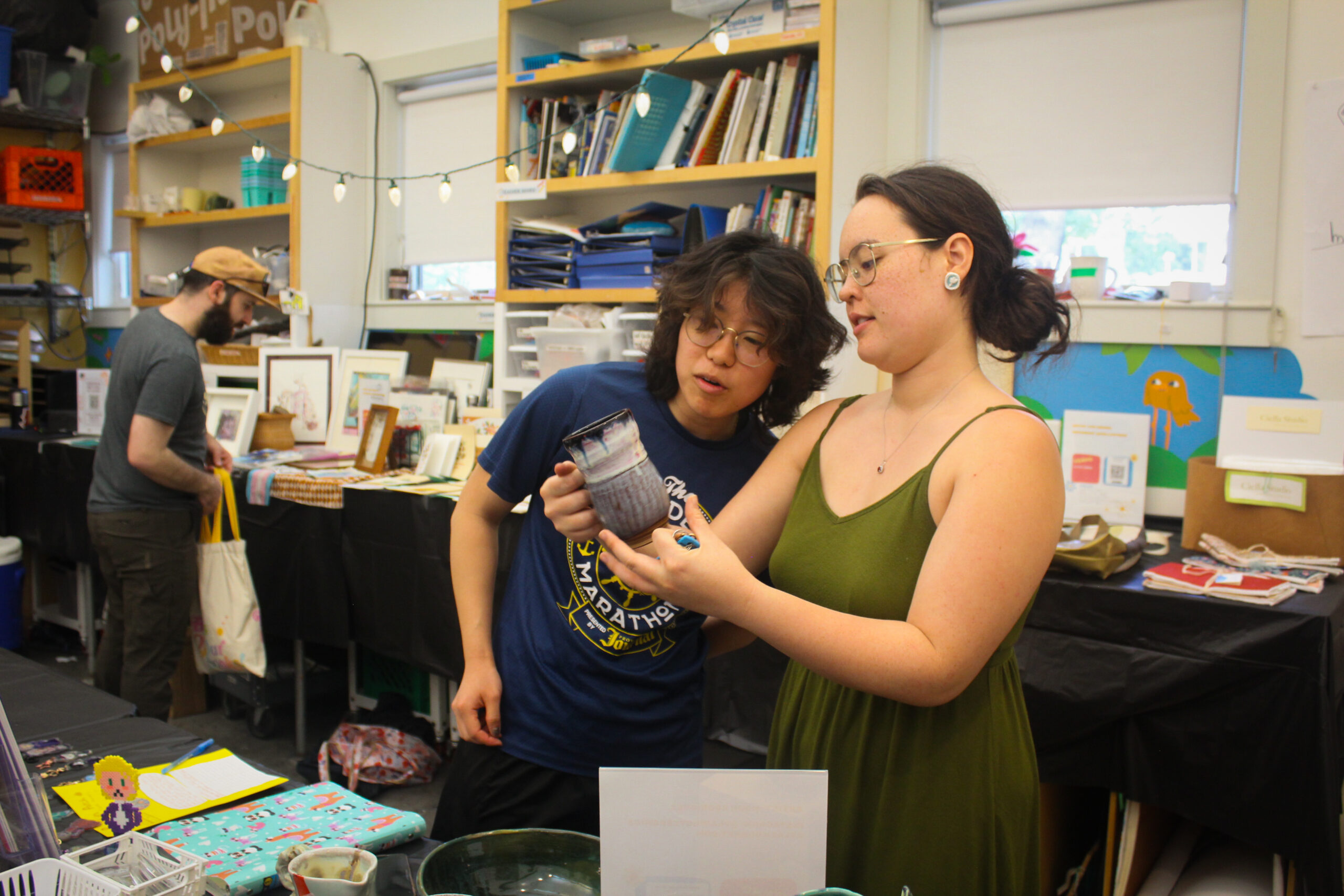
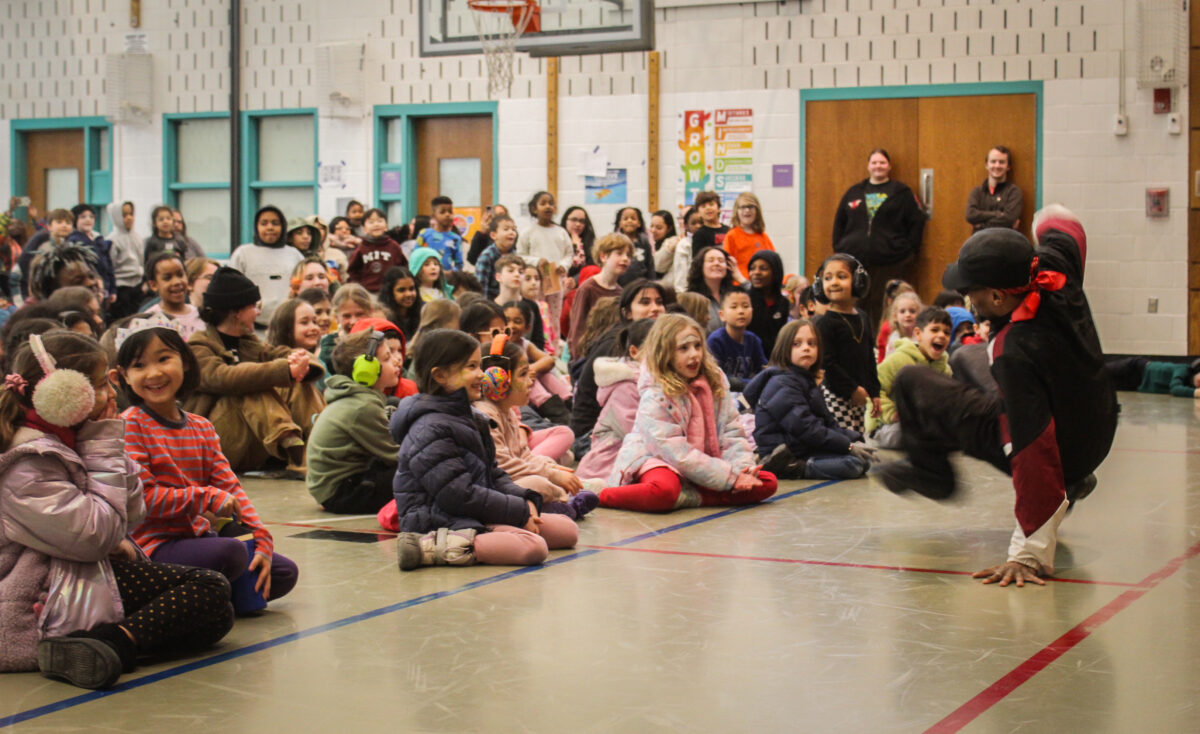
Maria L. Baldwin Community Center, a Cambridge Corporation (formerly known as Agassiz Baldwin Community) is a private, non-profit, tax-exempt corporation that provides a variety of services and programs including children’s programs, arts programs for youth and adults, community events, and the Living Well Network.
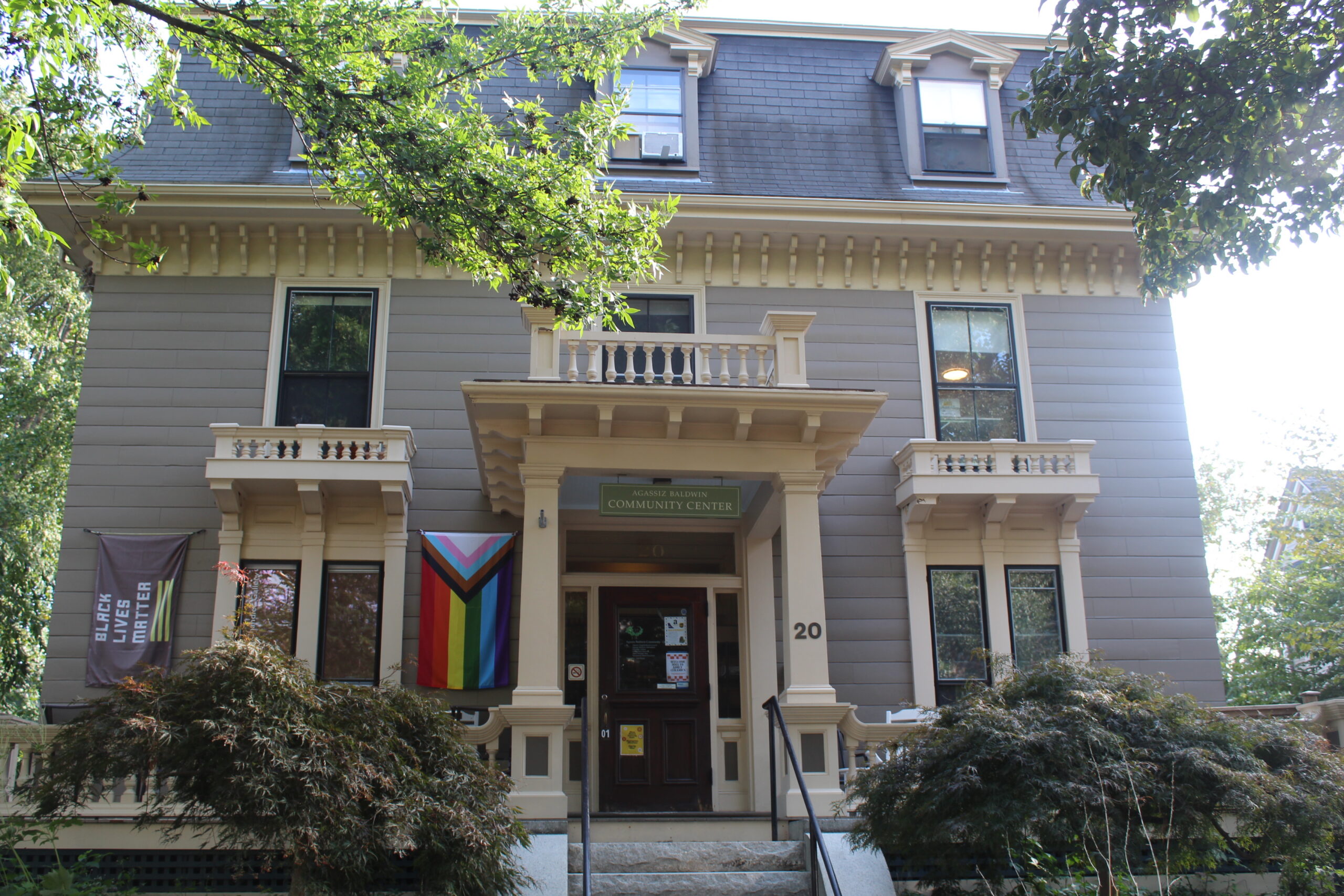
Our main office and program space is located at 20 Sacramento Street in the Baldwin Neighborhood of Cambridge, Massachusetts. Some of our children’s programs are based out of the Maria L. Baldwin School at 85 Oxford Street.
To obtain our financial statements, visit our profile on ProPublica.
Land Acknowledgement
Maria L. Baldwin Community Center is located on the traditional homeland of the Massachusetts people. We recognize their close neighbors the Wampanoag and the Nipmuc.
Anti-Racism Work
Starting in 2016, members of The Maria L. Baldwin Community Center recommitted to the organization’s long and winding journey of addressing institutional and structural racism. Inspired by informal conversations and common goals, a working group was formed to steward our internal team’s reflection on MLBCC’s impact on and engagement with our community.
Anti-Racism Stewards
Randi Freundlich
Maria LaPage
Phoebe Sinclair
Ashley Yee

We believe in:
- Welcoming:
Fostering an equitable environment where everyone feels valued, by adopting intersectional* anti-racist practices in all that we do. - Empowering:
Building confidence and a sense of belonging in everyone we serve. - Collaborating:
Uniting different voices and perspectives across all ages and backgrounds. - Creating Joy:
Embracing the joy that comes from being free to explore, create, and connect.
*Intersectionality: The overlapping and interdependent systems of oppression across, for example, race, gender, ability, and social status. Intersectionality encourages us to embrace and celebrate individuals’ multiple social identities. It also highlights the complex and cumulative effects of different forms of structural inequity that can arise for members of multiple marginalized groups. (Source: NAEYC)
Explore Our
History
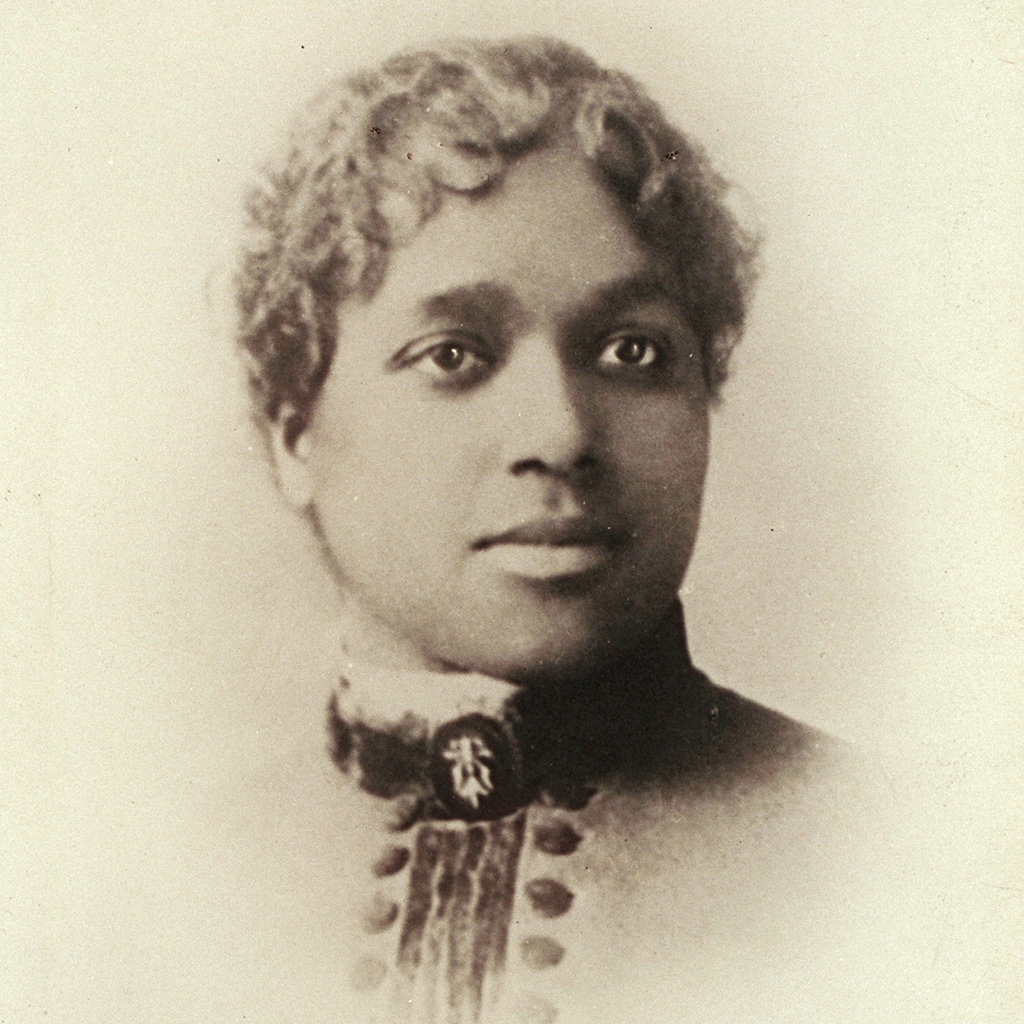
1889: Maria Louise Baldwin Is Named Principal
Our organization is named after Maria Louise Baldwin (1856-1922), who was the first African American woman to become principal of a school in 1889. In 2002, the Agassiz School was renamed in her honor, followed by the neighborhood in 2020. We are continuously inspired by her legacy as an educator and civic leader, and changed our name in her honor in 2023.
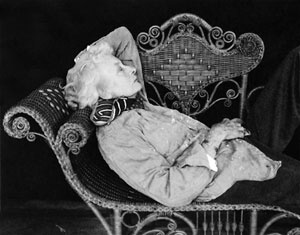
1903: Maud Morgan the Artist Is Born
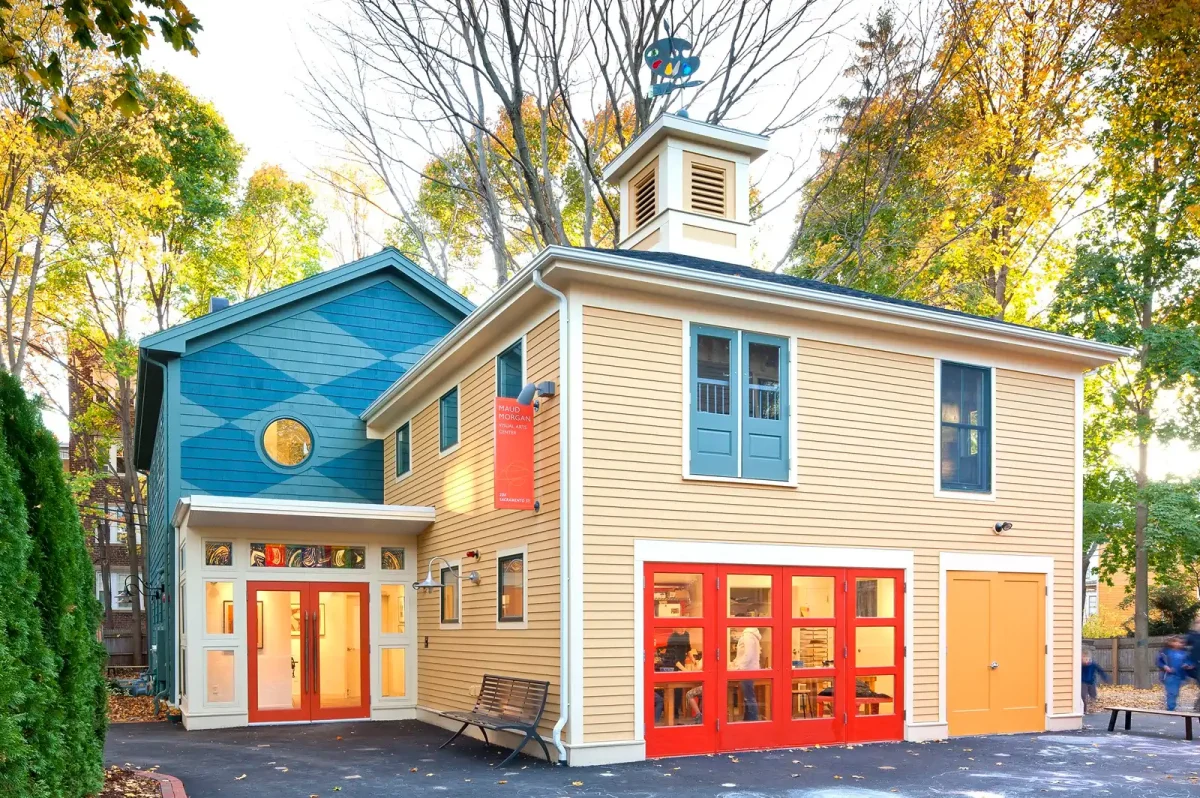
Maud Morgan (1903-1999) was a well-known and beloved artist of great talent and vibrancy, and a Baldwin neighborhood resident. She lived her life deeply in art, and her spirit continues to inspire and guide our studio building, the Maud Morgan Arts Center.
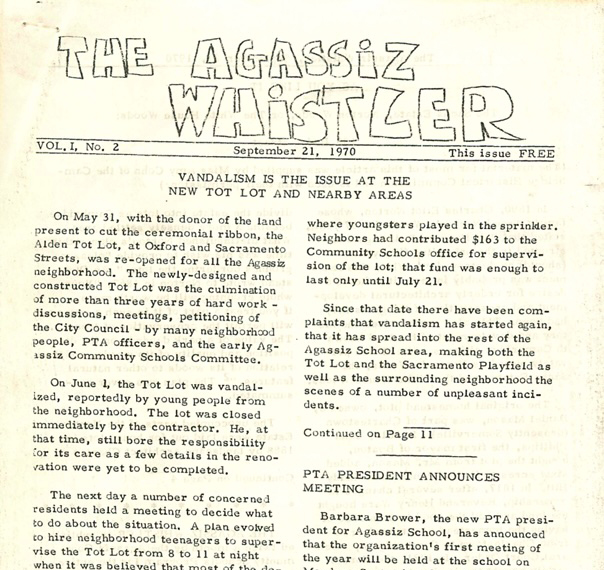
1970: The 1st Whistler Newsletter Is Published
Over fifty years ago, MLBCC began as a Cambridge Community School in the Cambridge Department of Human Services. We offered programs for adults and children in the then-called Agassiz School after school hours. Much of our history is cataloged in The Whistler – the official newsletter of the Baldwin Neighborhood Council, the first issue of which was first published on September 21, 1970.
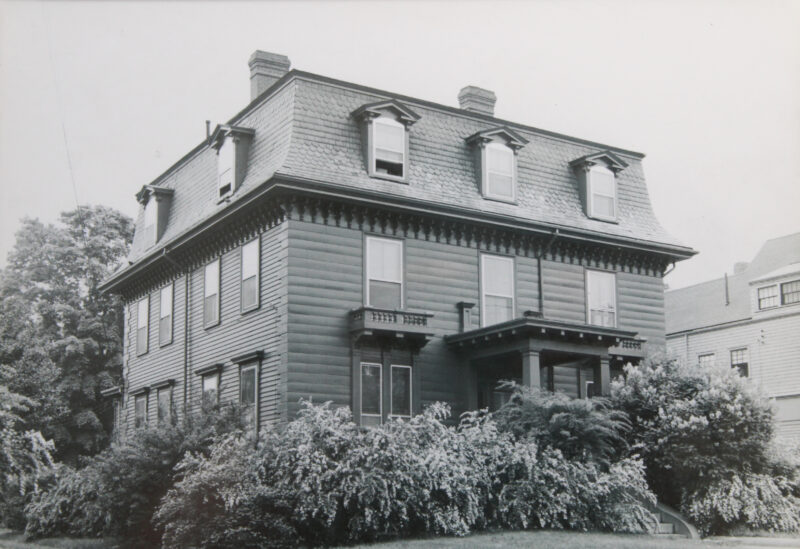
1985: Our Nonprofit Is Incorporated
In 1985, we incorporated as a not-for-profit, retaining the contract for community school services (such as the afterschool program) and the community forum, Baldwin Neighborhood Council. We also purchased our building at 20 Sacramento Street, which we had rented from Harvard University, and grew our programs.
2010: Maud Morgan Arts Center Opens
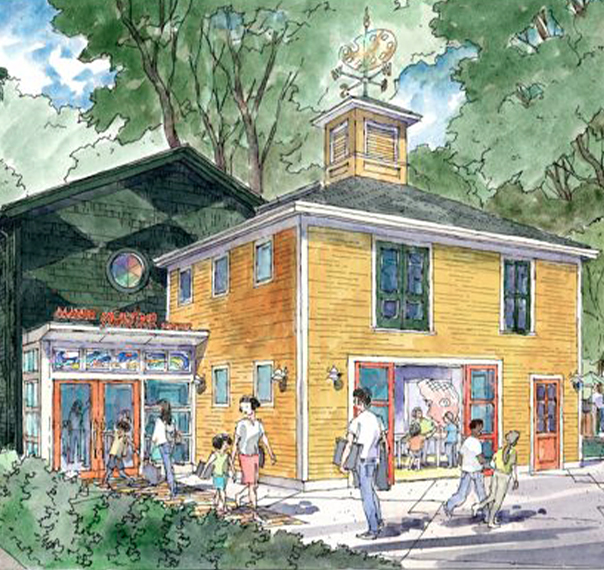
Maud Morgan Arts sprang from the vision of our former Executive Director Terry DeLancey and artist/architect and former Board Director Wendy Prellwitz in 1992. Terry and Wendy recognized the need for an art center in Cambridge for children, families, and professional artists. After years of visioning, fundraising, and transforming the carriage house behind our main building into state-of-the-art studios, Maud Morgan Arts center opened its doors in 2010.
2023: We Changed Our Name
In May 2023, our Board of Directors voted to rename us the Maria L. Baldwin Community Center. However, this actually isn’t our first name change. In 2007, we changed our name from Agassiz Neighborhood Council to Agassiz Baldwin Community to include Maria Baldwin’s name and represent the breadth of our community-focused programming.